

The joinery guide
Materials, made simple.
Compare the visible finish and the board beneath. Understand the price and know what to look for.
01 / Finishes
Entry to high.
The visible surface: compare its look, application and typical price band.
01Entry
Stock melamine and simple wrapped panels. Less finishing work.
02Mid
Selected laminate, acrylic and simple paintwork. More preparation.
03High
Matched veneer, selected timber and bespoke metalwork. More skilled detailing.
Read this as a price guide, not a quality score. The same material can move up a level with a premium range, custom shape or more detailed finish.
| Finish | Typical level | What it is & where it goes | Why the price changes |
|---|---|---|---|
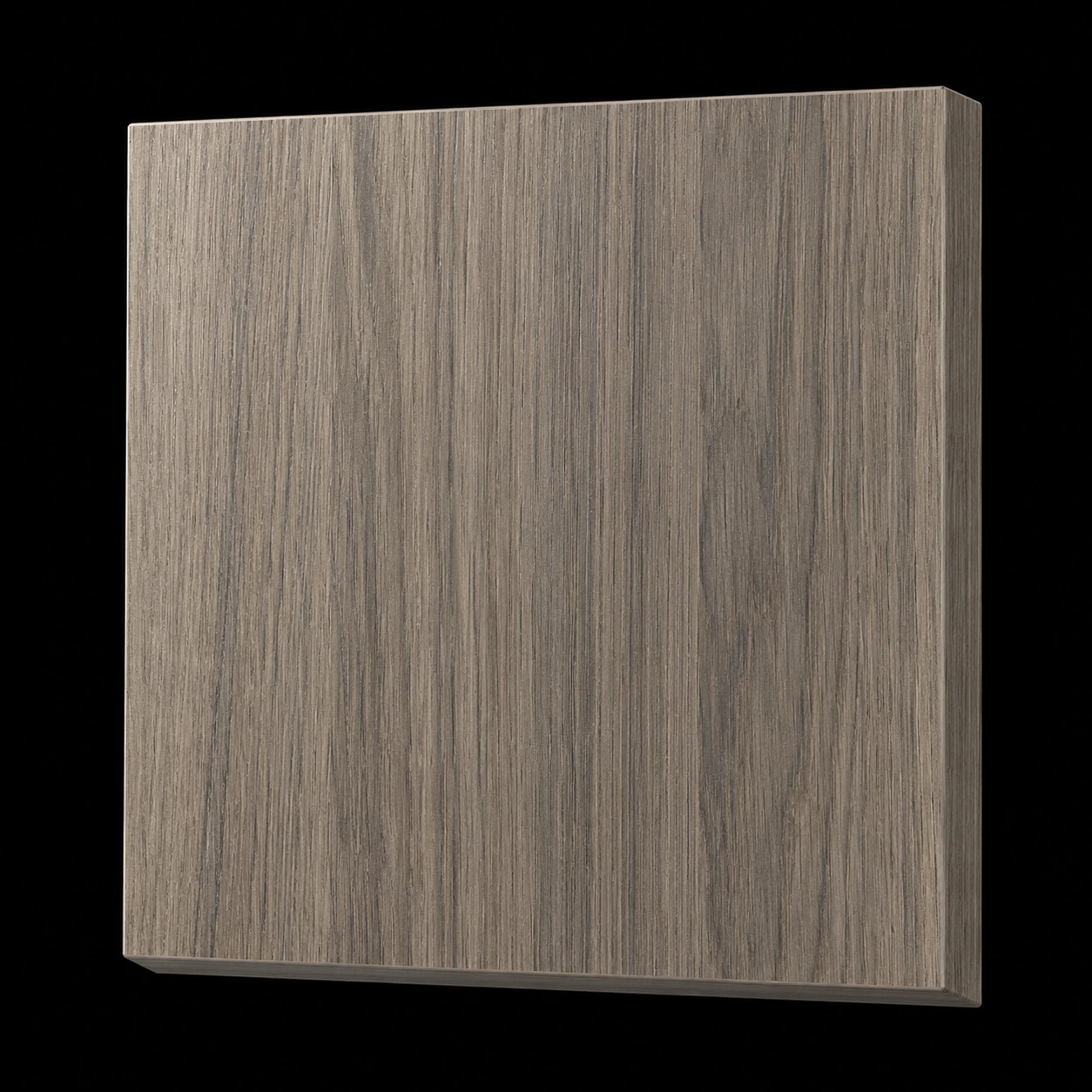 MelamineStandard colours & woodgrains | Entry | A printed resin surface pressed onto board. Used for flat doors, shelves and cabinet interiors. | The board arrives finished. Cutting and edging keep the making process simple. |
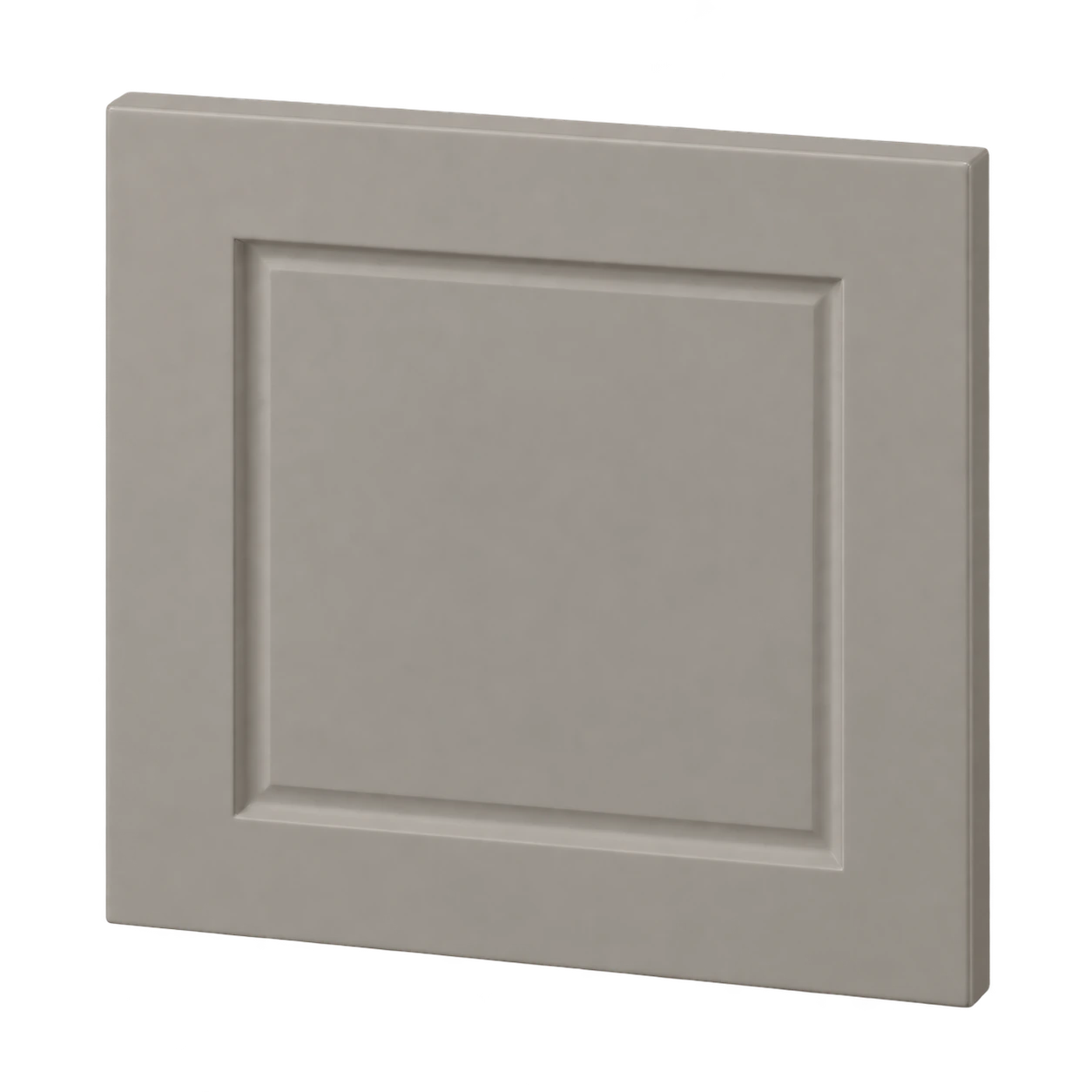 ThermolaminatedVinyl-wrapped panels | Entry–Mid | Decorative film wrapped over shaped MDF. Used for flat or profiled cabinet doors. | Factory pressing reduces individual finishing. More detailed profiles add work. |
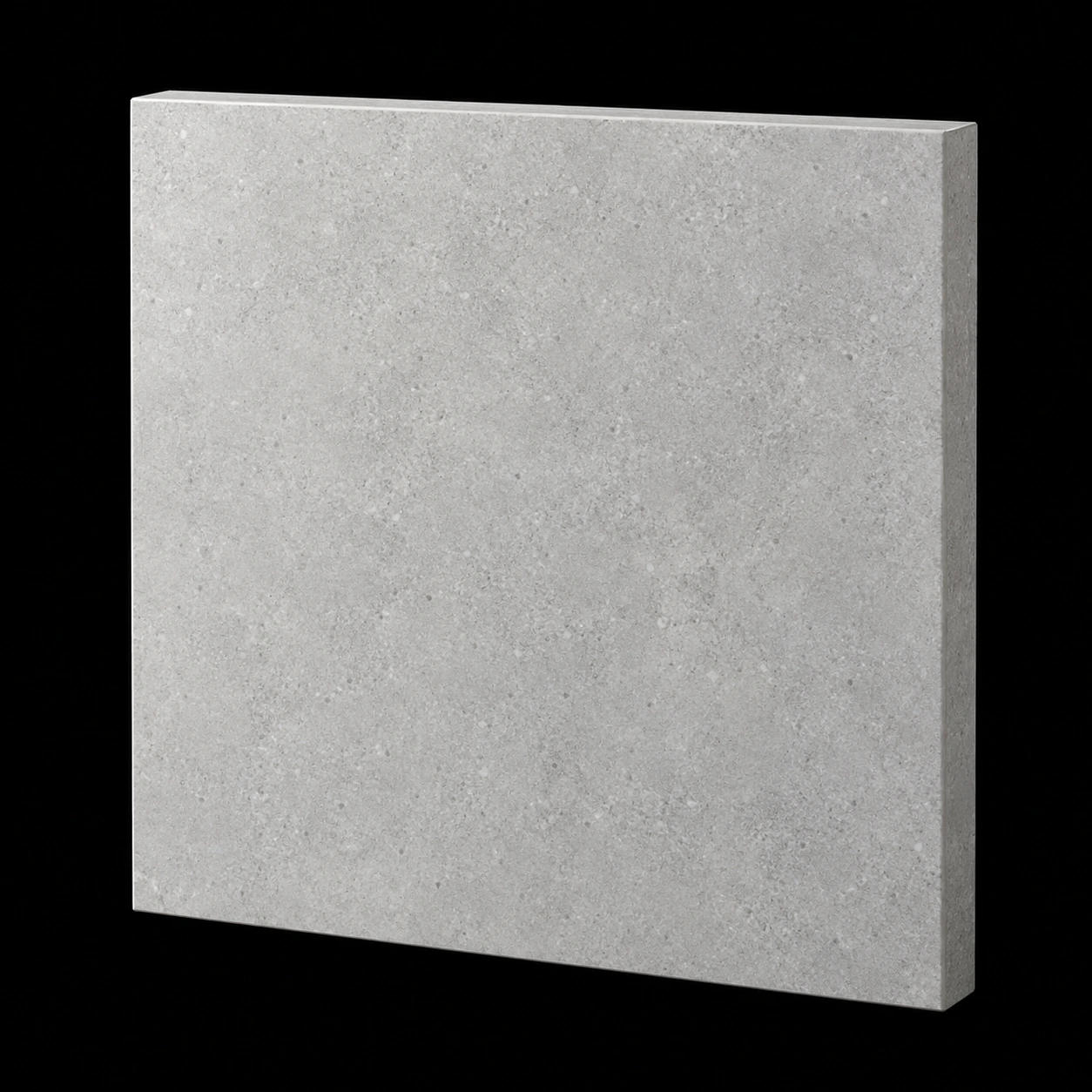 LaminateDecorative sheet on board | Entry–Mid | A separate decorative sheet glued to a board. Used for doors, panels and suitable benchtops. | Standard sheets control cost. Premium textures, bonding and edge details add to it. |
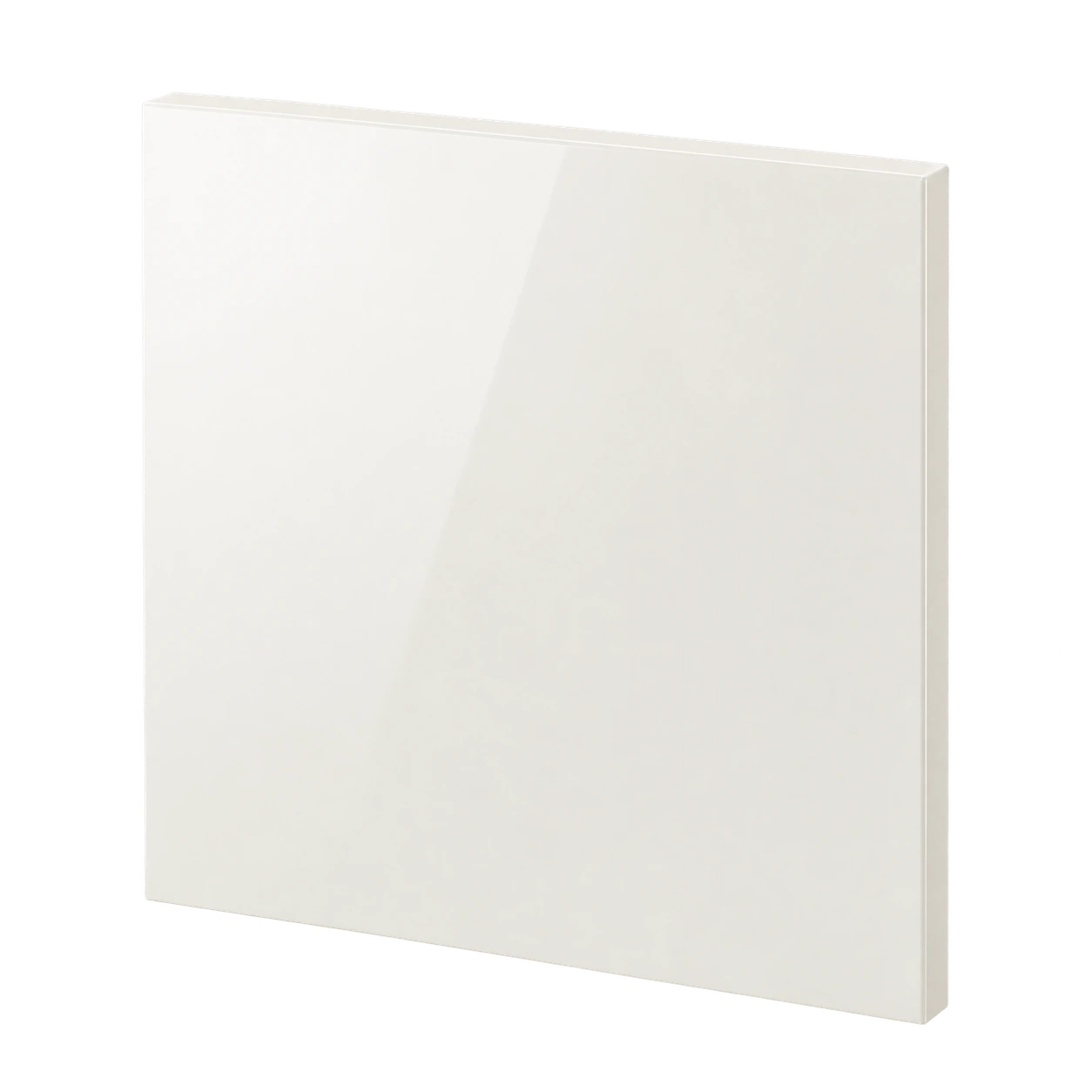 Acrylic & PETFactory-finished panel faces | Entry–Mid | Acrylic sheet or polyester (PET) film bonded to board, usually MDF. Used for smooth matt or gloss fronts. | Factory finishing saves spray work. Premium surfaces and precise edging can cost more. |
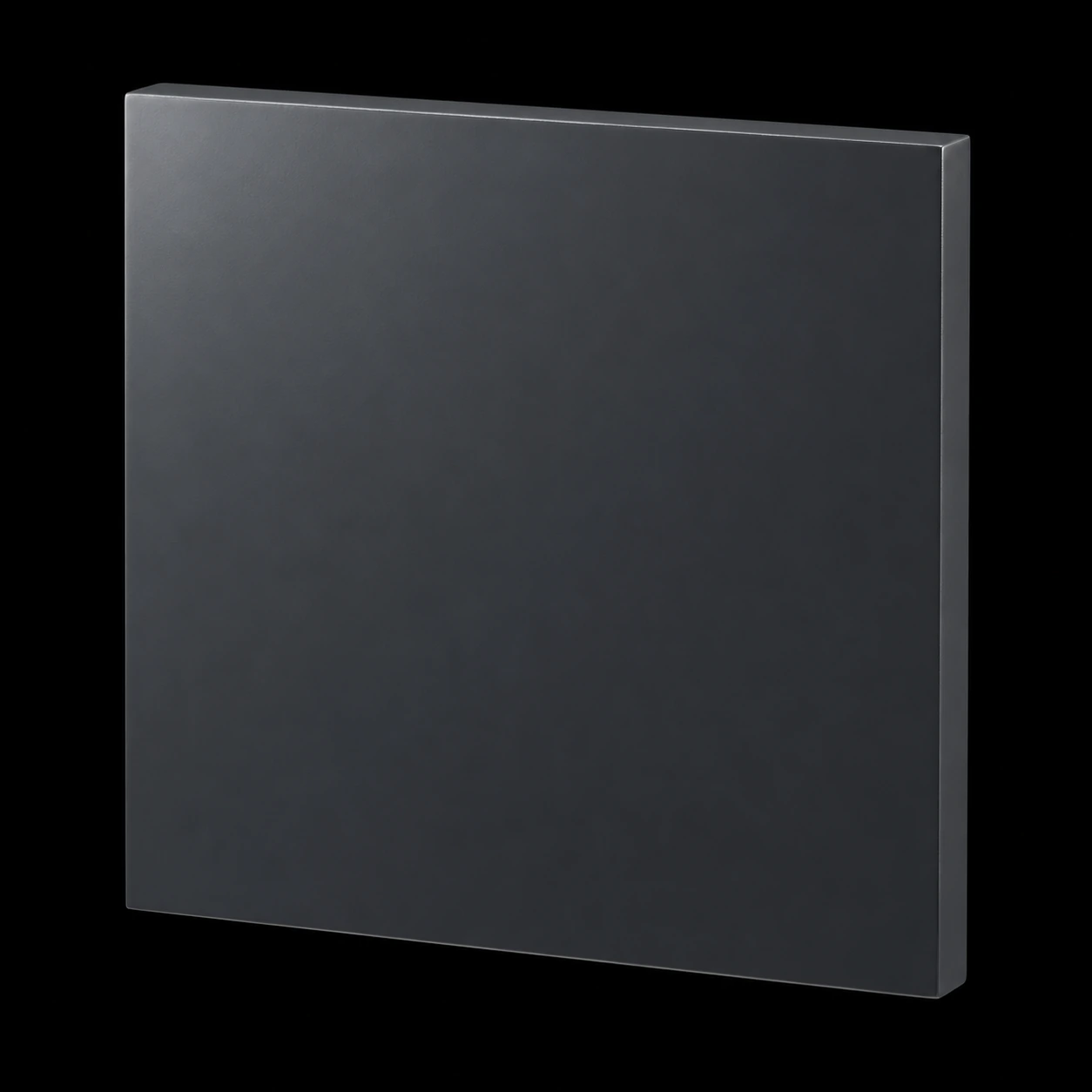 2PAC paintSprayed colour | Mid–High | Two-part paint sprayed onto prepared MDF. Used for flat, fluted or shaped fronts. | Sanding, priming, spraying and curing take skilled time. Complex profiles add more. |
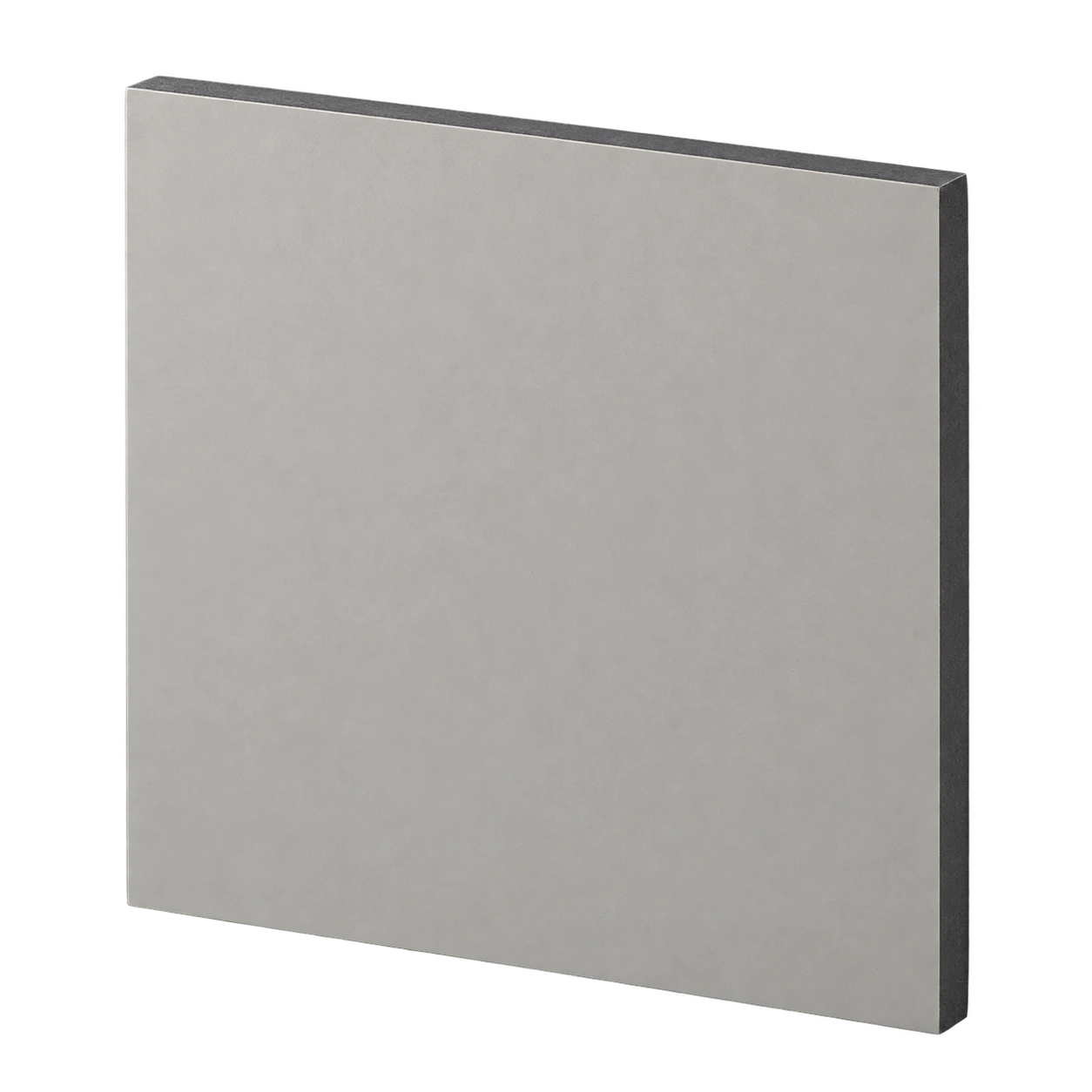 Compact laminateDense panel with its own core | Mid–High | Pressed paper and resin form the whole panel. Used for selected worktops, shelves and panels. | The panel, machining, cut-outs and fixing details all contribute to the price. |
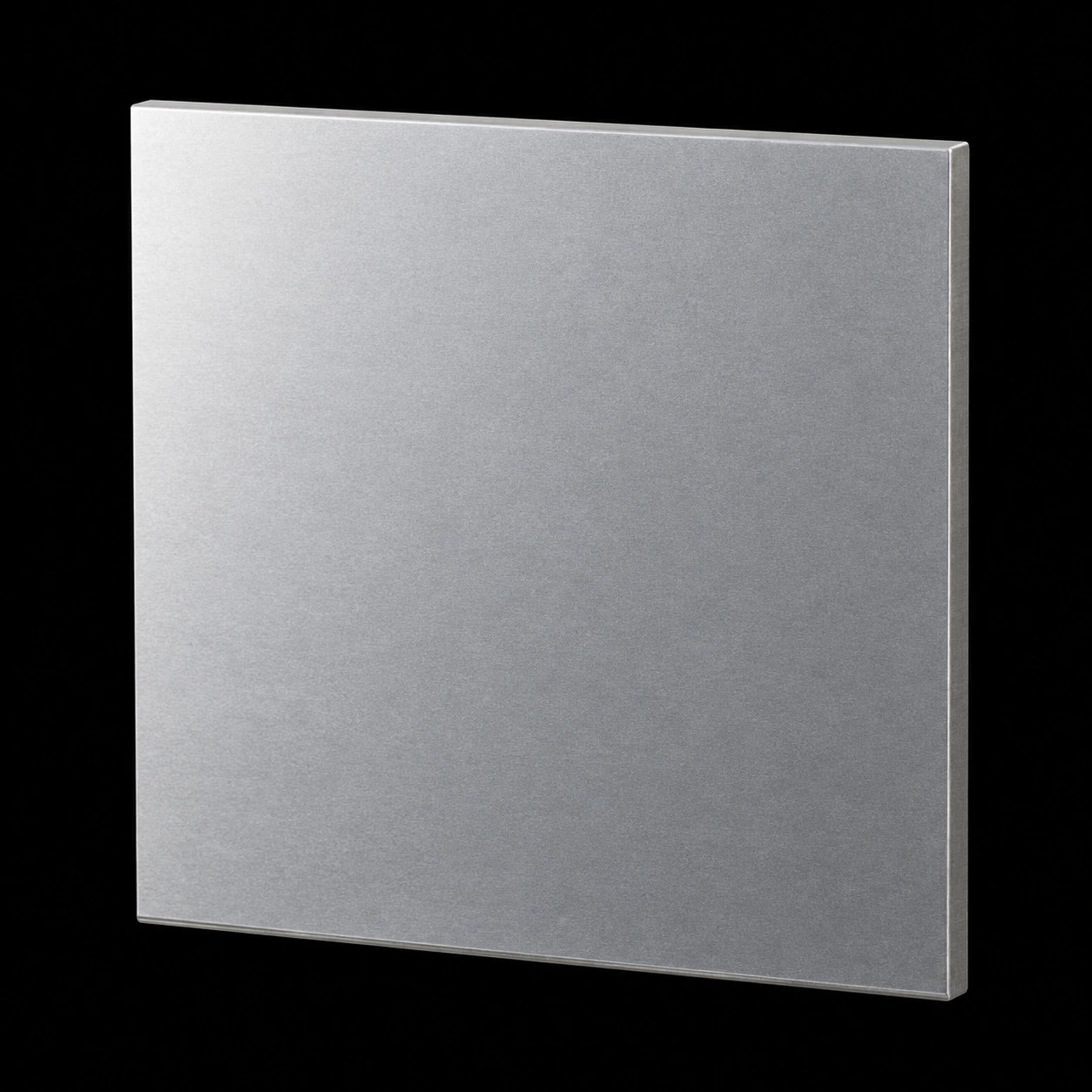 AluminiumFrames, trims & metal faces | Mid–High | Lightweight metal profiles frame glass doors. Sheet can also face a supporting panel. | Standard profiles simplify making. Custom sections, coatings and fine joints add cost. |
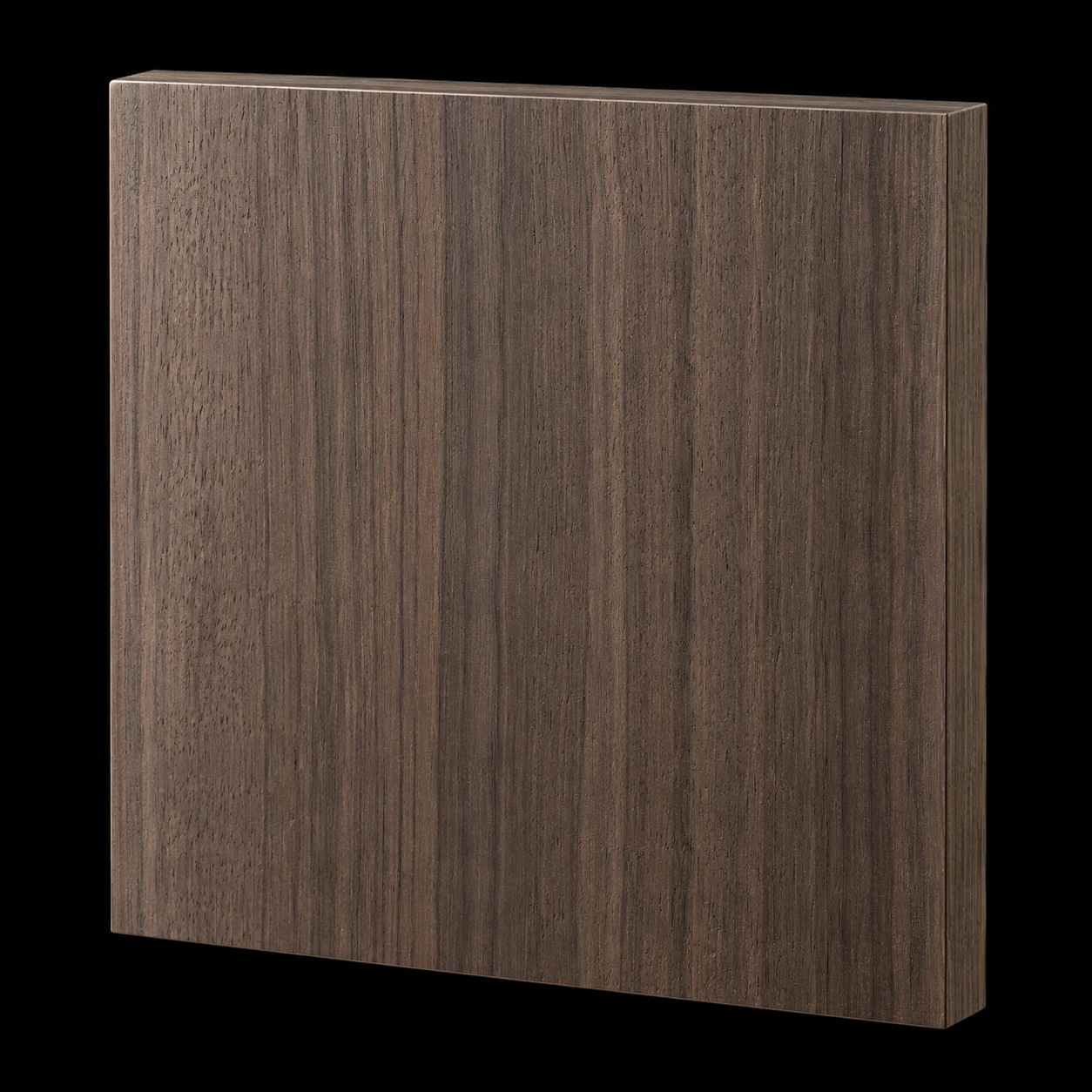 Timber veneerReal timber on a board | Mid–High | A thin layer of real timber pressed onto board. Used for feature doors, furniture and wall panels. | Species, grain matching and clear finishing drive price. Carefully matched work sits higher. |
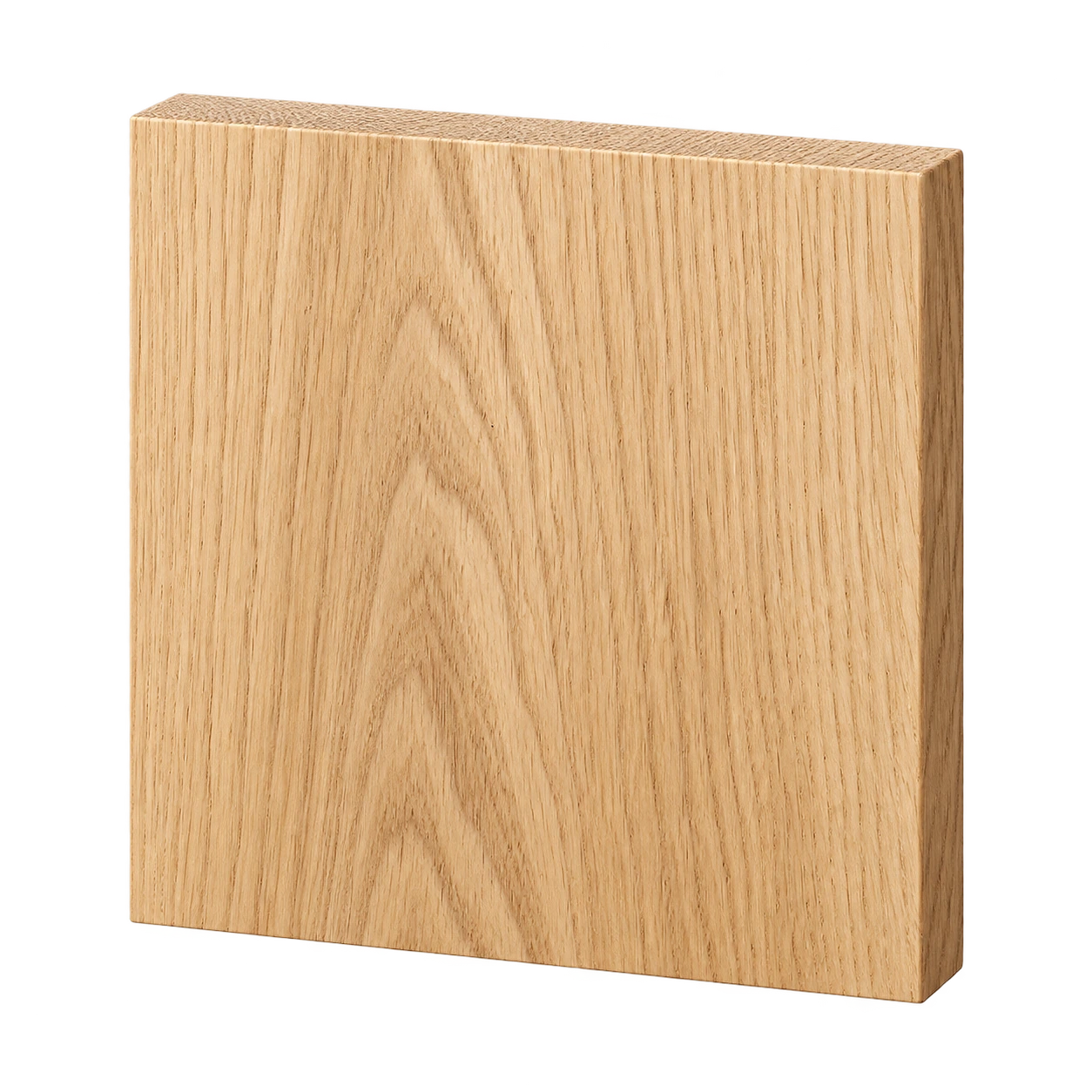 Solid timberReal wood through the section | Mid–High | Timber pieces form frames, slats or joined panels. Used for doors, shelves and furniture. | Timber selection, shaping, joints and finishing add work. The design must allow natural movement. |
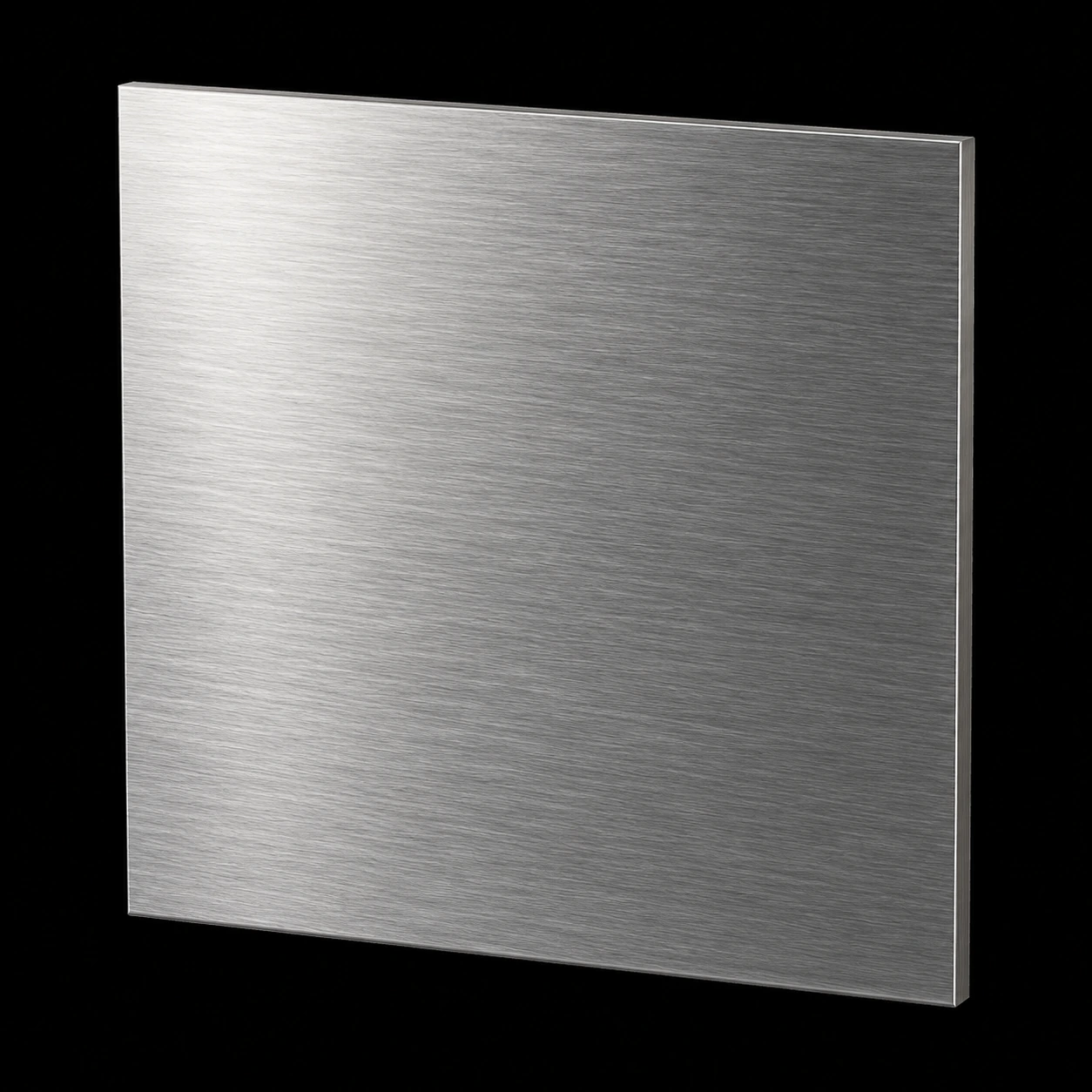 Stainless steelFabricated metal fronts | Mid–High | Metal sheet bonded or folded over a support, or formed into a panel. Used for fronts and feature details. | Custom folding, joining, polishing and coloured coatings can make it a high-specification finish. |
| Glass & mirror These span all three levels, depending on the panel and its detailing. | |||
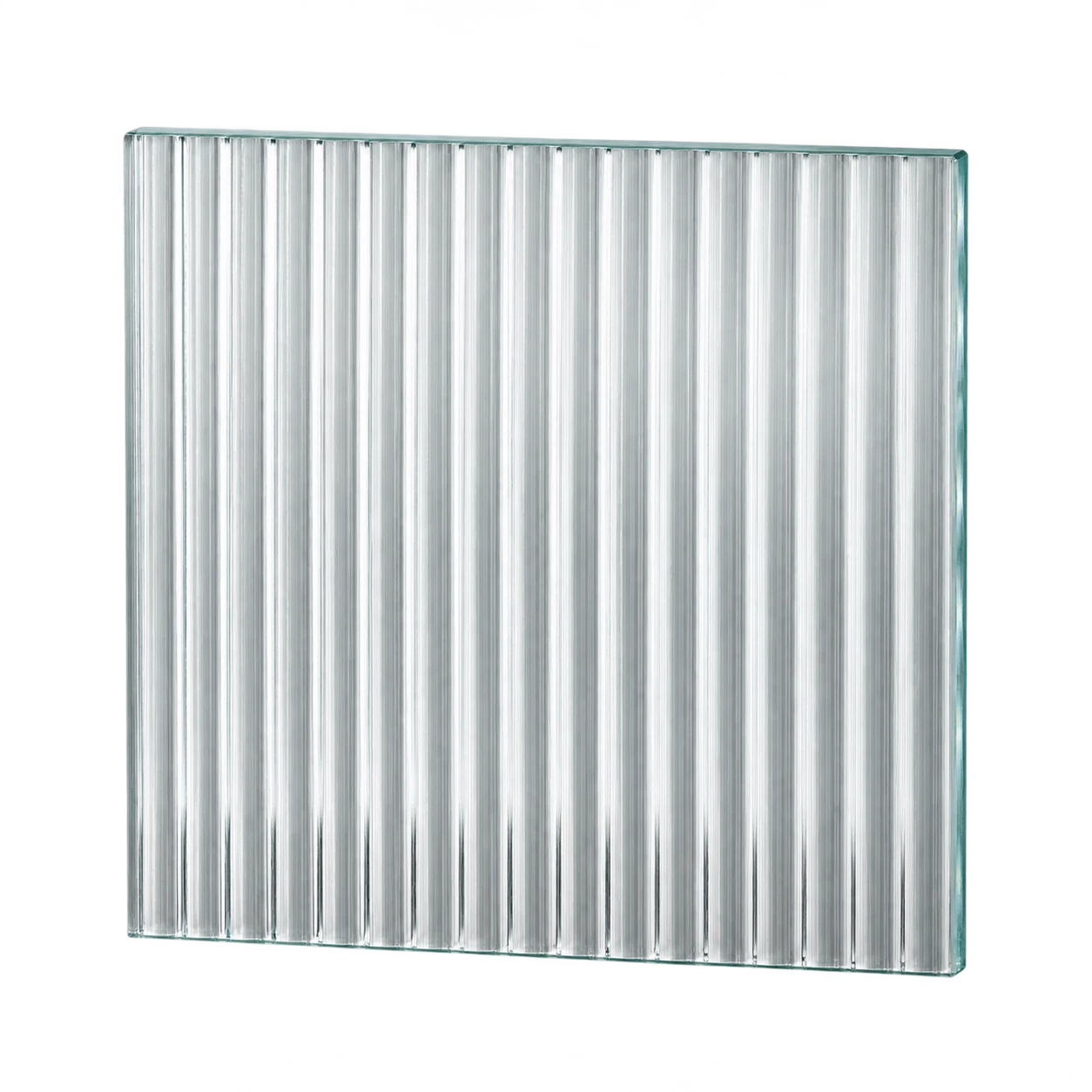 GlassClear, fluted, frosted or tinted | Entry–High | Glass is held in a frame or supported as a panel. Used for display doors, shelving and screens. | Simple clear panels cost less. Special textures, tints, edge work and frames add cost. |
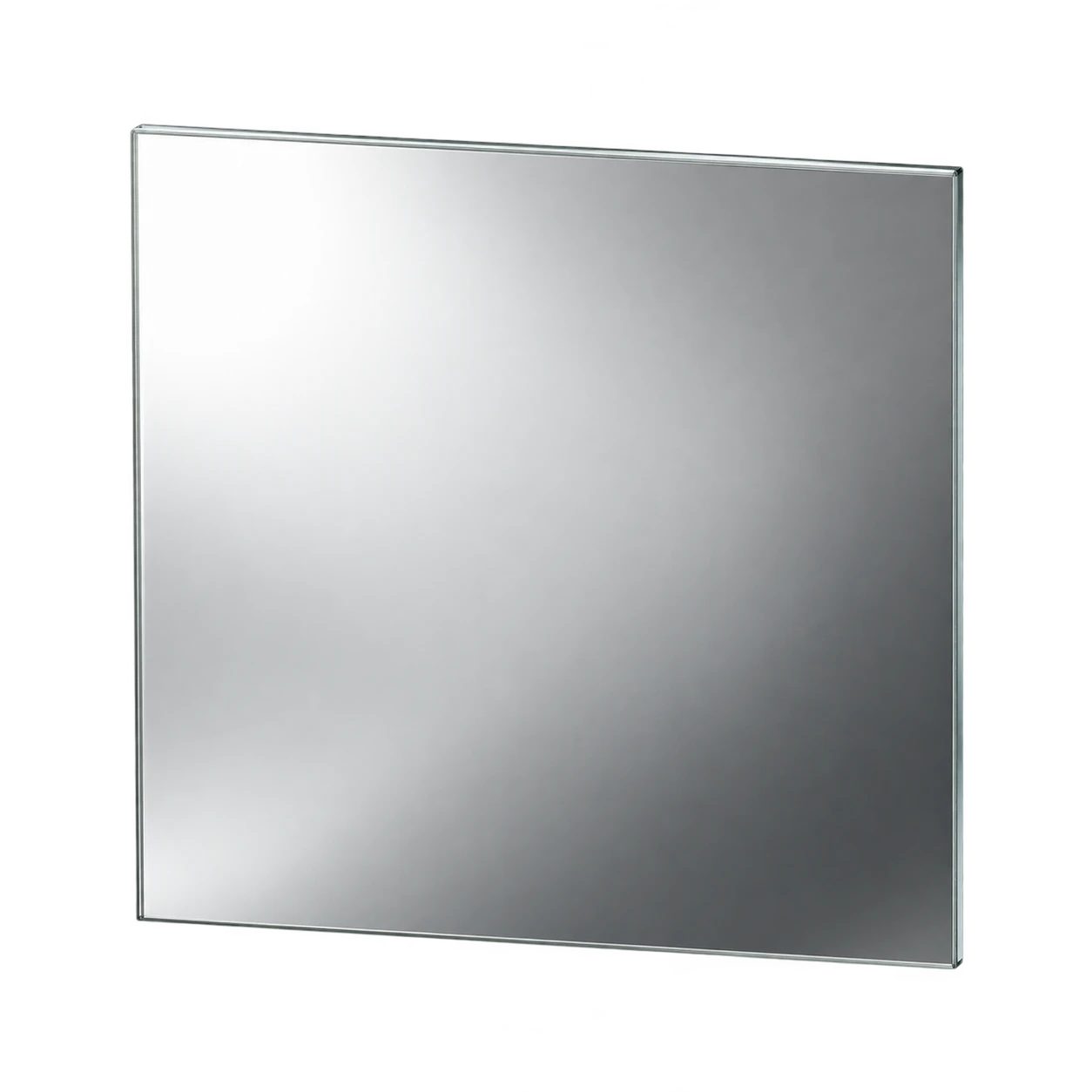 MirrorSilver, tinted, antique or LED | Entry–High | Reflective glass fixed to a backing or held in a frame. Used for wardrobes, vanities and feature panels. | Standard rectangles are simpler. Custom shapes, antique finishes and integrated LEDs cost more. |
Compare like-for-like panel sizes, cores and details. A simple veneer panel may cost less than a complex painted door. Physical samples confirm the colour and texture.
Glass, mirror & LED finish options
Glass
FlutedVertical reeded texture
Mirror
SilverSmooth polished reflection
02 / Internals
Inside the joinery.
The boards beneath the surface. MFC combines a melamine face with a particleboard core; MDF and plywood describe the board itself.
Typical price bands for comparable board specifications, not quality scores. Thickness, finish, grade and making details can move a material into another band.
| Internal material | Typical level | What it is & where it goes | Cost & what to know |
|---|---|---|---|
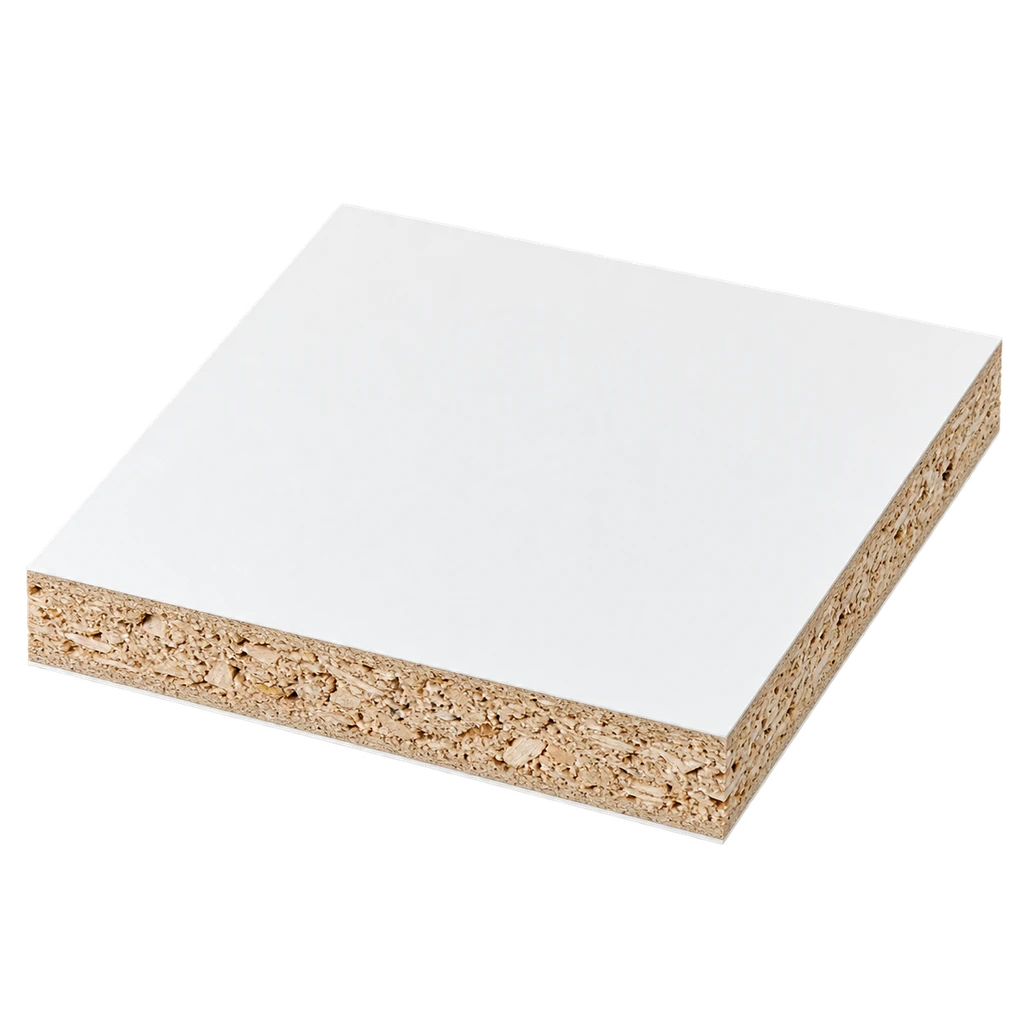 MFCMelamine-faced chipboard | Entry–Mid | Particleboard with a factory-applied melamine face. A finished panel, rather than a separate type of core. Cabinet bodies, wardrobe interiors and shelves, in white, colours or printed woodgrains. | Stock finishes save painting time. Decorative textures, moisture-resistant cores and edging add cost. Grades & selectionStandard or moisture-resistant particleboard beneath the same decorative face. Ask which core is specified. |
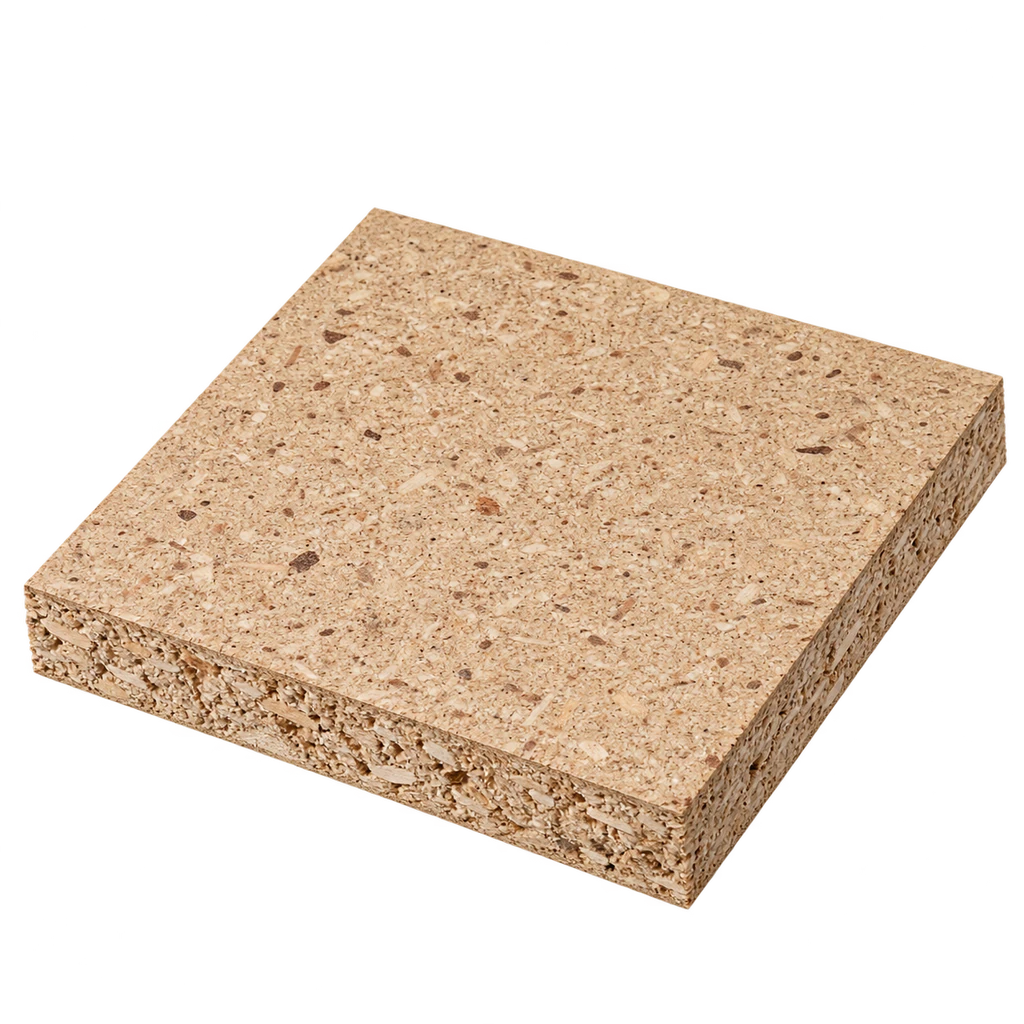 ParticleboardChipboard · Standard & MR | Entry | Wood particles pressed with resin into a flat board. Usually covered with melamine, laminate or veneer. Cabinet bodies, shelves and the core beneath many decorative panels. | Efficient production keeps the core affordable. Thickness, moisture-resistant grades and the chosen face add cost. Grades & selectionStandard grades suit dry interiors. MR means moisture-resistant; it offers better moisture tolerance, but edges and cut-outs still need protection. |
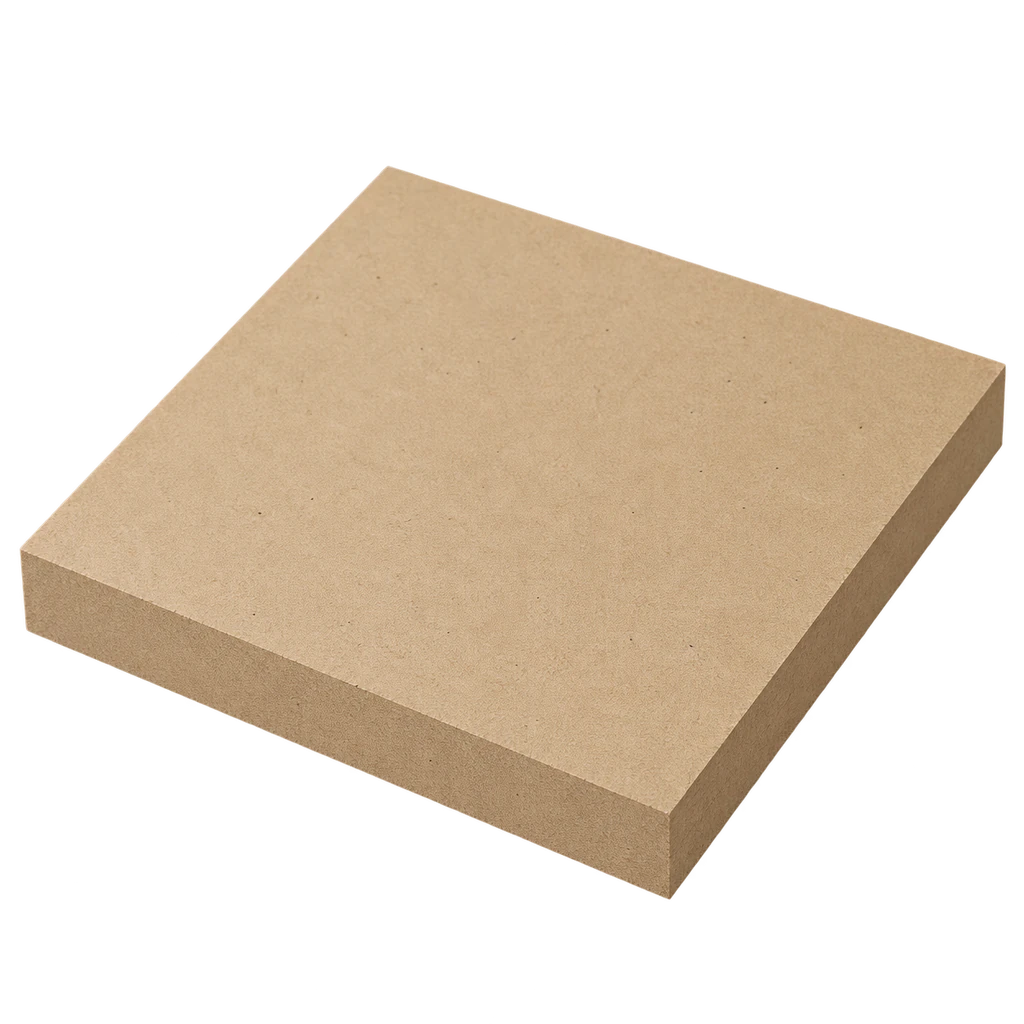 MDFMedium-density fibreboard · Standard & MR | Entry–Mid | Fine wood fibres pressed into a smooth, even board. It can be painted, routed or faced with another material. Painted doors, shaped panels, drawer parts and cores beneath veneer, laminate, acrylic or PET. | The raw board is economical. Moisture-resistant grades, routed details and paint preparation raise the finished price. Grades & selectionMR MDF is made for more humid interiors. HMR is used for some high moisture-resistant ranges; check the actual product grade. Neither label means waterproof. |
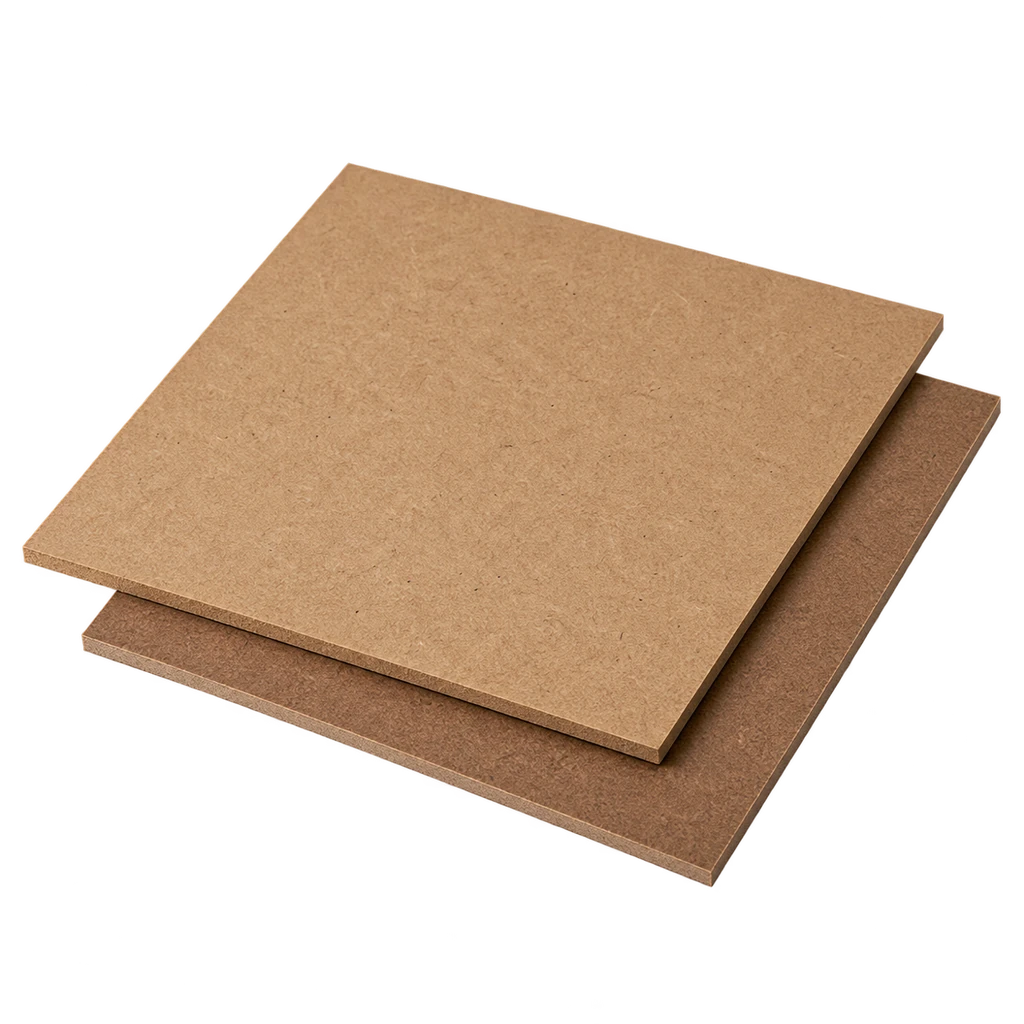 HDF & hardboardDense wood-fibre panels | Entry–Mid | HDF means high-density fibreboard. Hardboard is another dense fibreboard, made by a different process. Both often come as thin sheets. Cabinet backs and some drawer bases, with thickness and support chosen for the load. | Thin sheets use less material. Denser, coated or specialist grades can cost more. Grades & selectionA thin back panel is not a substitute for a full cabinet side or shelf. Check the sheet thickness, support and finish. |
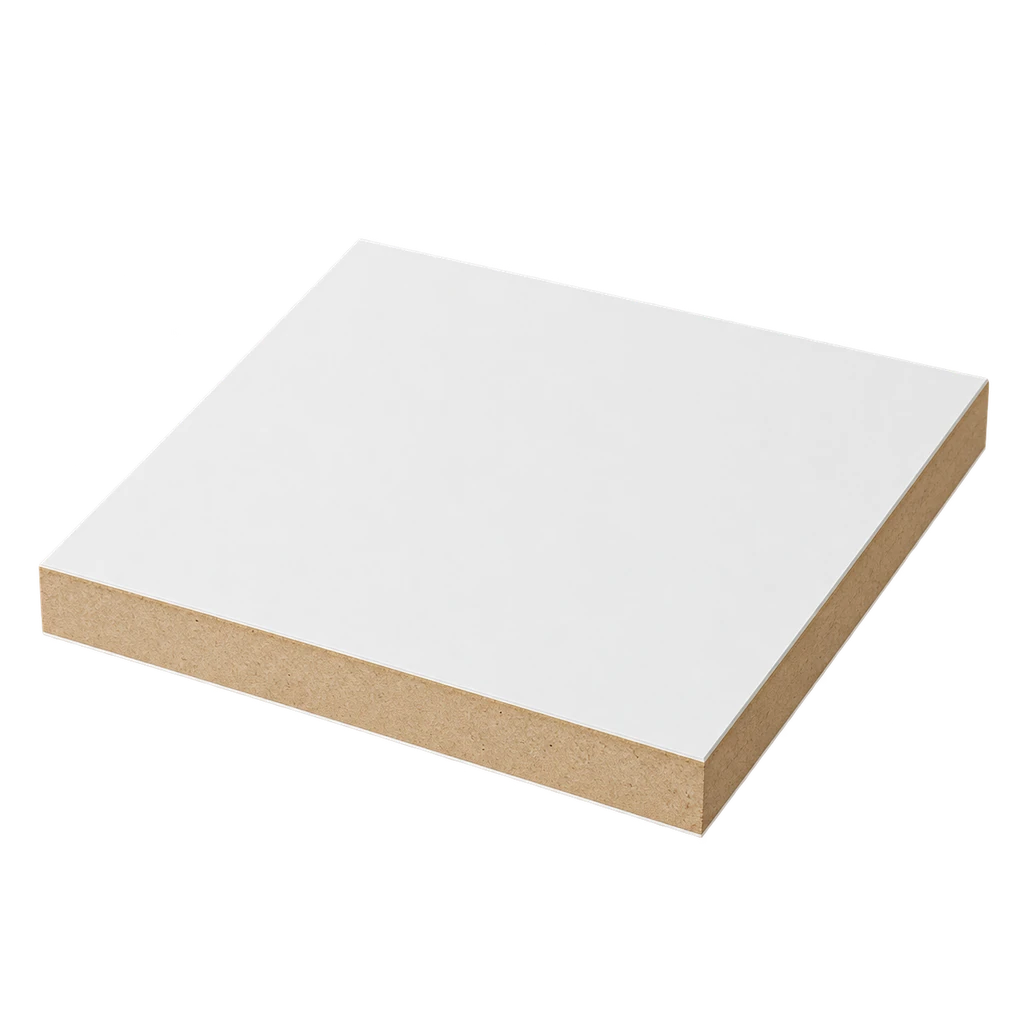 Melamine-faced MDFA finished face on an MDF core | Mid | A melamine surface pressed onto MDF. The face can look like MFC, but the board underneath is different. Cabinet components, shelves and interiors where an MDF core is specified. | The MDF core and selected surface generally cost more than basic white MFC. Edges still need finishing. Grades & selectionStandard and moisture-resistant MDF cores are available. Choose the grade for the room and the fixing detail. |
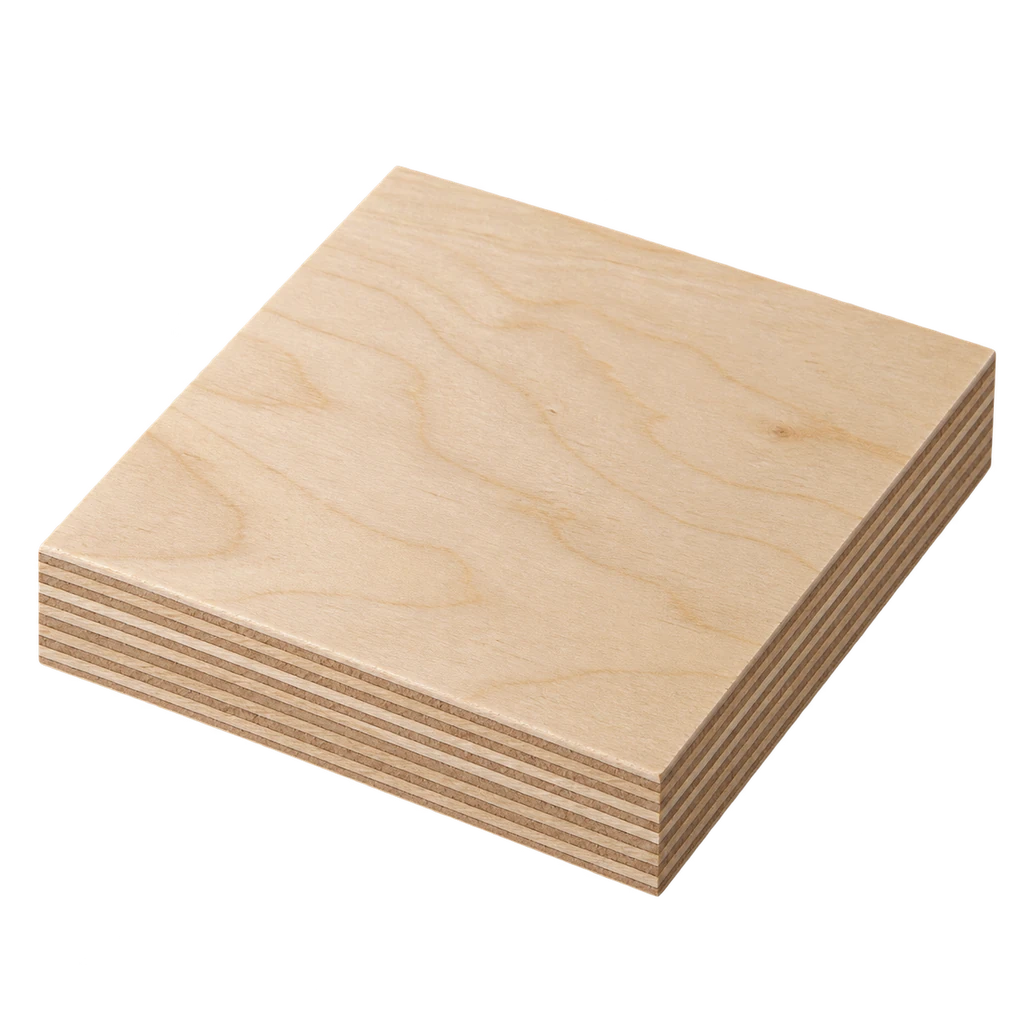 PlywoodLayered timber · Multiple grades | Mid–High | Thin timber layers glued together, usually with alternating grain. It can be clear-finished or faced with another material. Cabinet bodies, drawer boxes, shelves and panels with an exposed layered edge. | Timber species, layer quality, face grade and glue bond affect cost. Decorative hardwood and birch options often sit higher. Grades & selectionSoftwood, hardwood and birch describe the timber. Marine describes a specification, not a decorative finish; it does not make unsealed timber waterproof. |
More internal materials Blockboard, solid timber, lightweight panels, compact laminate & metals
| Internal material | Typical level | What it is & where it goes | Cost & what to know |
|---|---|---|---|
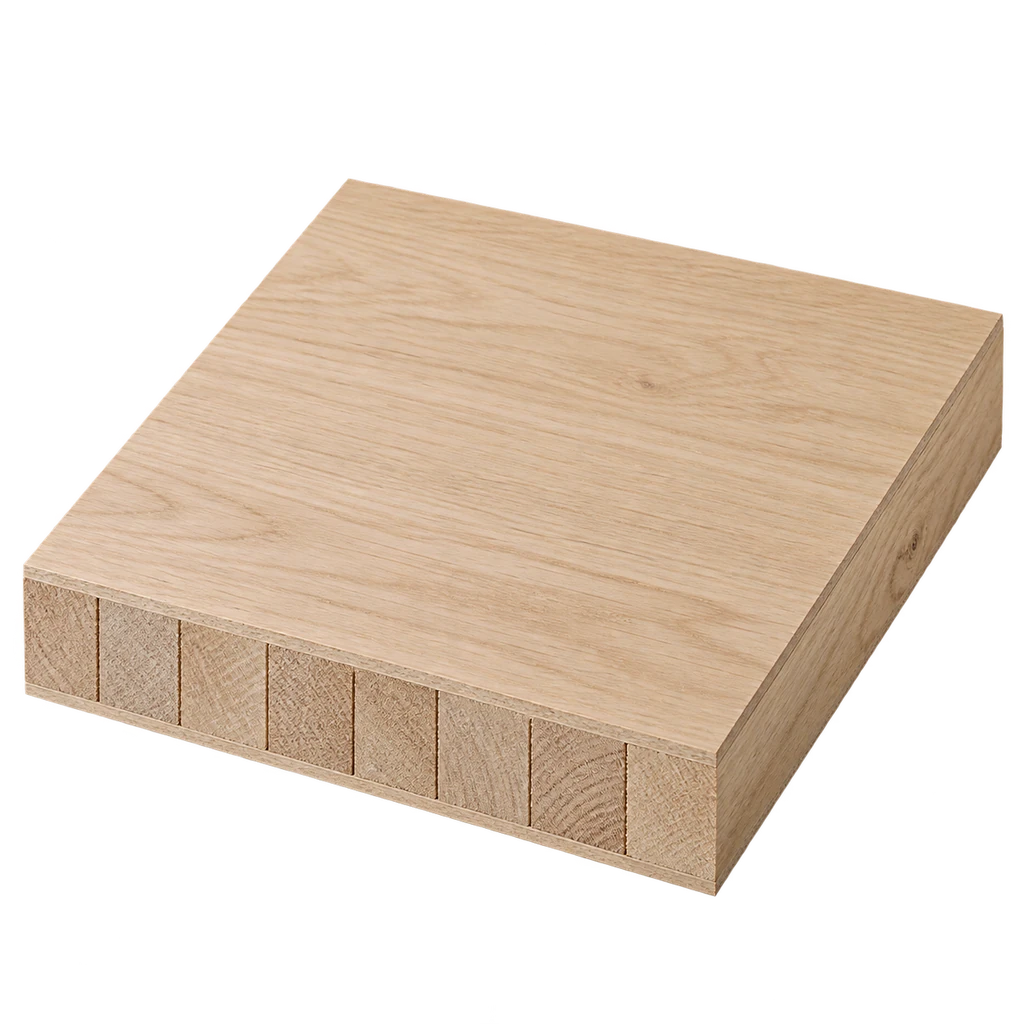 BlockboardTimber-strip core with outer layers | Mid | Solid timber strips form a core between bonded outer layers, commonly veneer. Selected shelves, doors and larger furniture panels, usually finished with veneer or laminate. | Core timber, face quality and finishing affect the price. It can reduce weight compared with dense MDF. Grades & selectionCore-strip direction, quality and fixing positions matter. Select the construction for the panel size and load. |
Solid timberNatural wood throughout | Mid–High | Real timber sections or joined boards, rather than a fibre or particle core. Drawer boxes, internal trays, rails, frames and selected shelves. | Species, timber selection, traditional joints and clear finishing add material and labour cost. Grades & selectionThe design must allow timber to move with humidity. A premium drawer box does not require every cabinet panel to be solid timber. |
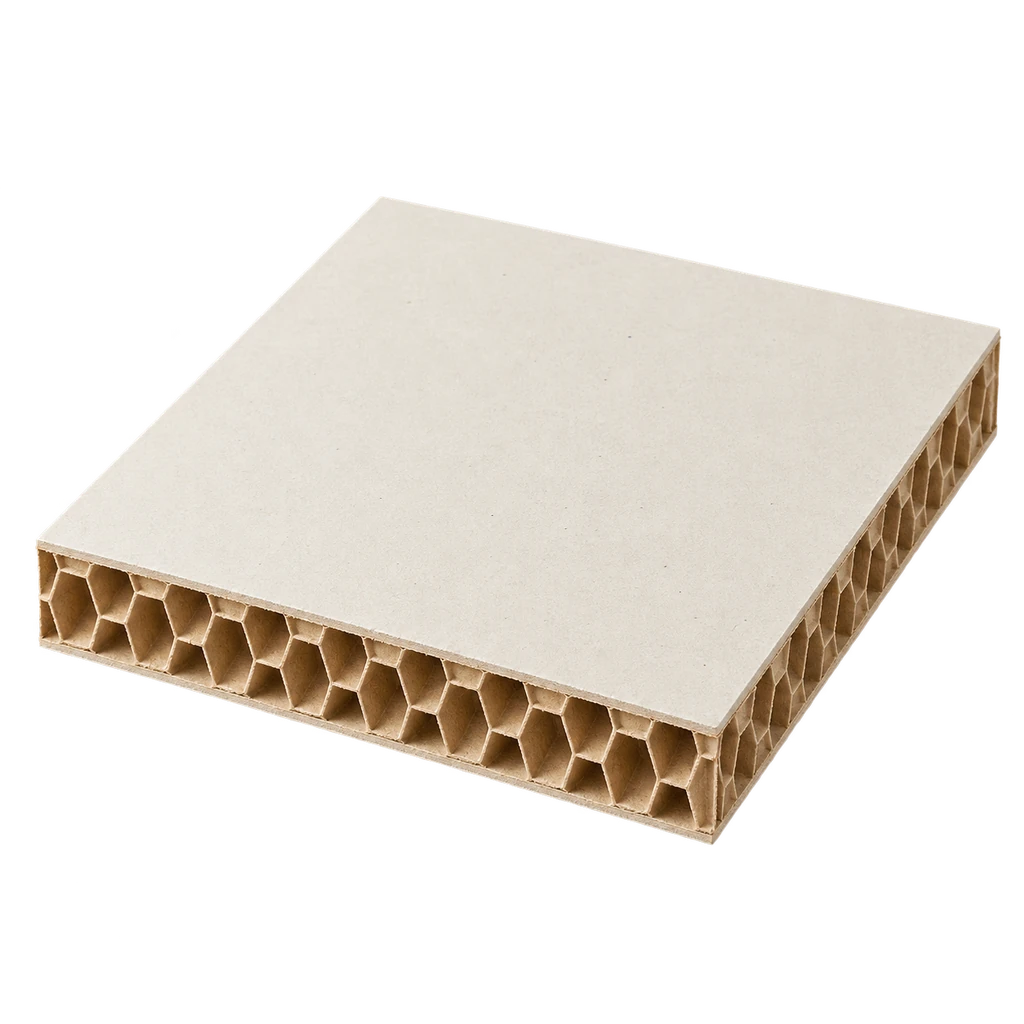 Lightweight panelsHoneycomb or other lightweight cores | Mid–High | Outer faces surround a lighter core, such as paper honeycomb, to create a thicker panel with less weight. Large doors, thick-looking shelves and furniture panels where weight matters. | Less core material can save weight, while prepared edges, inserts and special fittings add fabrication work. Grades & selectionHinges and screws need suitable inserts or reinforced zones. The complete panel system determines its capacity. |
Compact laminateDense resin-and-paper panel | Mid–High | A thick, self-supporting laminate panel. It has its own core rather than a chipboard or MDF centre. Selected internal shelves, dividers and cabinet components, using the appropriate grade and thickness. | The dense panel needs suitable machining and fixings, which add to fabrication cost. Grades & selectionUseful where moisture tolerance matters. Joints, support and hardware still need to suit the application. |
Aluminium & stainless steelSpecialist metal construction | High | Formed metal, framed panels or metal-faced systems; aluminium may also be used in honeycomb panels. Specialist cabinet interiors, drawer systems and selected utility or outdoor joinery. | Bespoke fabrication, joints, surface treatment and compatible hardware usually cost more than standard board construction. Grades & selectionChoose the metal grade, finish and panel system for the environment. A metal face alone does not describe the core beneath it. |
Choose for the job: board grade, shelf span, thickness, edge protection and fixings matter more than the name alone. Moisture-resistant does not mean waterproof.
Explore internal materials in the collection ↗Edges, lighting & other surfaces
Edges: matching plastic strips, timber lipping, paint or wrapped film finish the sides. Check that corners and joints are tidy.
LEDs: strips sit in recessed channels, often with a diffuser. Wiring and access to the driver are planned into the joinery.
Stone, porcelain & sintered surfaces: used for worktops and supported feature panels. Slab selection, cutting, edge work and support affect the cost.
03 / Quality
Four things to check.
Good workmanship matters at every price level.
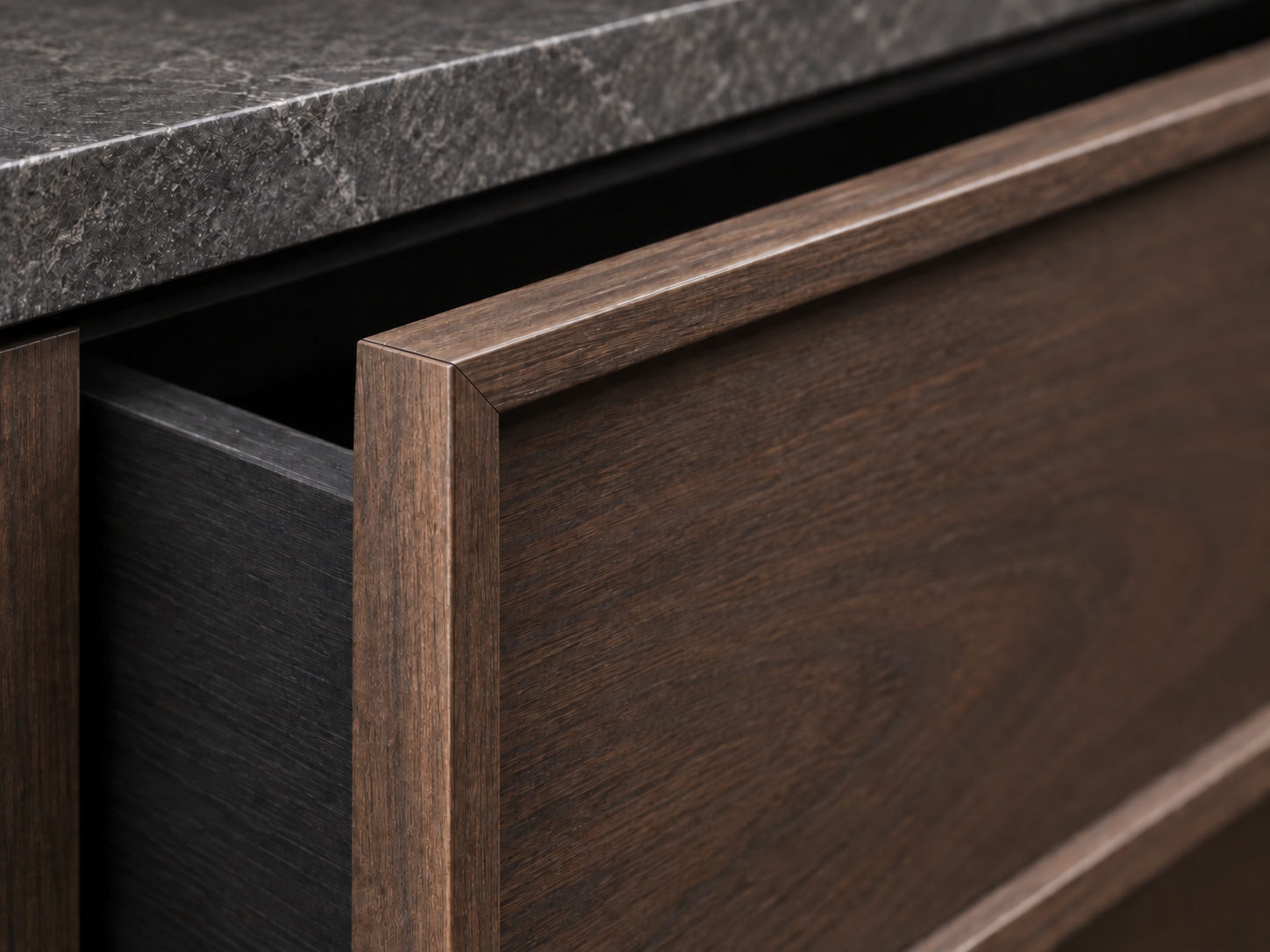
Edges & gaps
Tidy edges, even door gaps and neatly finished corners.
Board & support
The right board grade, shelf thickness and fixings for the job.
Hinges & drawers
Smooth movement, correct load capacity and careful adjustment.
Finish & fitting
Consistent sheen, considered grain and neat joins to walls and floors.
A simple finish can still be beautifully made.
Choose a finish you enjoy, a construction that suits the room and hardware that works well. More expensive materials cannot make up for poor making or fitting.